


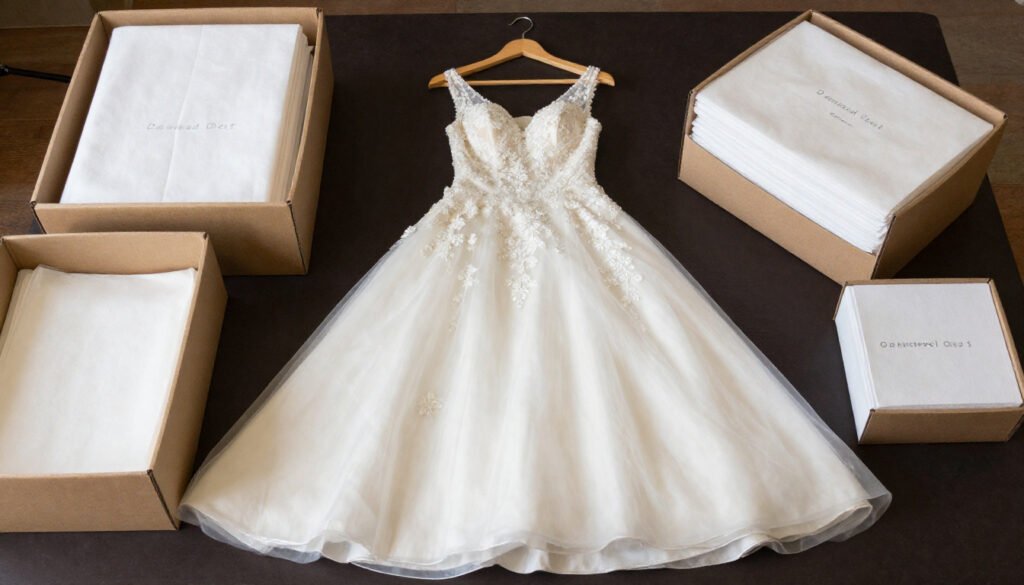
Of course, a wedding dress serves as a keepsake of one of the most unforgettable days of a woman’s life, and most brides aim to keep that memory alive for many years. The exquisite details, whether tiny lace pieces or intricate hand-sewn decorations, all contribute to the event’s significance. On the other hand, when a bride puts away her gown without proper care after the wedding, the dress is likely to develop yellow patches, lose fabric, or fade. Bridal dress preservation in Glendale comes to the rescue by offering services that protect the fabric, keep the gown looking new, and help it last for generations.
Getting a gown professionally preserved is much more thorough than just having it cleaned. Gown preservation includes removing invisible stains, providing enhanced protection for highly fragile fabrics, and packaging the gown safely so it can be stored without risk to its condition. It’s probably most advantageous for brides who choose preservation to also avoid costly gown restoration later.
Why Wedding Dresses Need Professional Preservation
Wedding gowns are typically crafted from delicate fabrics like silk, satin, lace, chiffon, and tulle, which can be easily affected by moisture, sunlight, dust, and body oils. After the wedding, even if the dress appears clean, it might have invisible stains from sweat, perfume, or makeup that can gradually deteriorate the fabric over the years.
Professionals in this field carefully examine the dress before performing any cleaning procedures. They employ gentle, fabric-friendly cleaning methods that focus on removing stains while preserving the material’s strength. Besides cleaning, proper preservation also involves protecting embroidery, sequins, and beadwork, which are often susceptible to damage from standard cleaning methods.
It has been a common practice among many brides to put their dresses in plastic garment bags or typical boxes. Such items trap moisture, increasing the risk of mildew. Conversely, preservation pros use acid-free wrapping materials intended to keep the fabric safe for a long time.
Prevents Fabric Yellowing
- Thanks to bridal dress preservation services in Glendale, you don’t have to worry about your wedding dress turning yellow! A major natural cause of stain and yellowing is the oxidation process that occurs when your dress is exposed to air and humidity. In fact, white and ivory fabrics are the most notorious for developing yellow patches when not stored properly.
- Professional preservation is a great way to keep your dress from oxidizing and turning yellow. It involves wrapping and sealing the dress with acid-free tissue paper and using breathable storage materials. These protective methods help keep your dress looking as good as new for many years to come.
- Professional brides who have had their dresses preserved are often amazed that their gowns still look bright and fresh even after decades.
Removes Hidden Stains Before They Set
- It is quite common that, after the wedding day, many stains will no longer be visible. For example, the stain from champagne, cake frosting, makeup, sweat, and perfume can only become apparent after months. Once these stains have undergone oxidation, it becomes next to impossible to remove them completely.
- Professional cleaners use a variety of methods to identify hidden stains. They carefully treat the areas before preservation is started. This helps prevent permanent discoloration and fabric breakdown.
- Prompt cleaning is of utmost importance, as over time it not only increases the risk of damage but also makes it more difficult to fix. Wedding dress preservation in Glendale advices preserving the dress within a few weeks after the wedding.
Save your wedding dress from damage.
- Most contemporary wedding gowns are decorated with minute details such as lace appliqué, pearls, crystals, sequins, and hand embroidery. Such elements require cleaning with the utmost care and controlled exposure during handling.
- Experienced preservation specialists recognize how different fabrics and decorations behave when exposed to moisture and cleaning agents. They shield delicate ornaments at all stages of the process to prevent loosening, tearing, or bleaching.
- Such diligence preserves the dress’s original artistry while avoiding unnecessary deterioration.
Enables proper storage over a period of years
- Where and how you store a wedding dress plays a huge role in determining its eventual lifespan. Heat, moisture, and direct sunlight can damage fibers and cause discoloration that may become permanent. Additionally, an improperly folded dress is likely to result in creases that are very difficult to remove.
- Experts in preservation use storage techniques specifically designed for bridal dresses. Acid-free preservation boxes, along with breathable wrapping materials, are effective in reducing the impact of the surrounding environment.
- These methods are also great at protecting against dust, pests, and moisture.
- Actually, many brides, preservation aside, choose these methods with the future in mind, planning to hand the dress down through generations or keep it as a memento.
Common Mistakes Brides Should Avoid
- Some brides think that dry cleaning regularly will provide the same protection as preservation, but the methods are quite different. Dry cleaning mainly removes surface dirt, whereas preservation aims to make the fabric last longer.
- Another frequent error is storing the dress in plastic covers. Plastic not only traps moisture but can also emit chemicals that, over time, can harm even the most delicate fabrics.
- Waiting to clean the dress is a big mistake, as it makes stains permanent. The longer unwanted substances stay on the dress, the more difficult it is to remove them without damage.
- Hiring a skilled preservation expert is one way to sidestep these issues and extend the gown’s lifespan.
Choosing the Right Bridal Dress Preservation Service in Glendale
Brides who want to preserve their dresses should ensure they choose the best service providers after thorough research. Knowing bridal gown care inside and out is an important criterion for choosing a service, as bridal fabrics are very sensitive and require specialized handling. Along with reading reviews, checking for preservation warranties, and seeing packaging techniques can also be very helpful in deciding the quality of service.
Wedding gown cleaning and preservation experts in Glendale are familiar with the characteristics of delicate fabrics and the storage needs of a gown that is to be preserved for a long time. A reputable company like Aloha Cleaners can provide the right care for the dress without using harsh chemicals or treatment methods.
Wrapping Up
Even after the wedding day, a wedding dress is a precious piece that should be cared for properly. Professional bridal gown preservation services in Glendale can safeguard your gown’s delicate fabrics, remove hidden stains, and keep your dress looking beautiful for years. Besides that, proper preservation also stops yellowing, fabric deterioration, and other damages caused by poor storage conditions. Brides who choose to have their dresses professionally preserved and securely are usually more relaxed, knowing their treasured memories are well protected for the future.
Frequently Asked Questions
When should I preserve my wedding dress after the wedding?
It is best for the brides to decide on gown preservation as soon as possible, ideally within a few weeks after the wedding.
Is bridal dress preservation the same as dry cleaning?
No. Dry cleaning is for removing surface dirt and stains only, whereas preservation involves specialized cleaning and long-term storage protection.
Is it possible to remove stains from an old wedding dress?
Depending on the fabric type and the severity of the stain, some stains on older wedding dresses can even be successfully removed.
How long do preserved wedding dresses last?
When stored properly, preserved wedding dresses can last for many years in brand-new condition.
Is it possible to open a preserved wedding dress box?
Yes, most preservation boxes are designed to be reopened carefully for inspection or future use.